

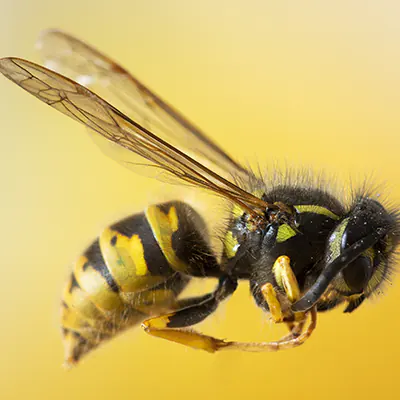
Beehive Removal
Professional beehive and swarm removal across the UAE. Certified handlers safely relocate bee colonies using humane capture methods, with hive sealing and exclusion work to prevent re-colonisation.
Read MoreDebug provides professional centipede control and safe removal across Abu Dhabi, Dubai, and the Northern Emirates (Sharjah, Ajman, Umm Al Quwain, Ras Al Khaimah, and Fujairah) and we treat the actual source: the harbourage sites where they shelter, the moisture conditions that draw them, and the entry points that let them in, with perimeter barriers to stop re-entry. Every treatment uses municipality-approved products that are safe for families and pets, backed by a follow-up guarantee.
Six Signs of Centipede Activity in Your Property
Centipedes are nocturnal predators that thrive in damp, dark places, and they come indoors hunting moisture, shelter, and prey insects. Even a single centipede seen inside usually means the conditions suit them and a population is nearby. These are the signs our technicians come across most often on UAE properties.
Centipedes are at their most active after dark, so encountering live ones on the bathroom floor, in the shower, around the bath, or near a sink drain is the single most common sign of an indoor population. The reason is simple: the bathroom holds the moisture they need to survive, which makes it the first place they settle.
Most common signLaundry rooms, utility cupboards, under-sink cabinets, and poorly ventilated ground-floor storerooms give centipedes exactly the dark, damp habitat they want. Finding them in these spaces is worth acting on, because it points to excess moisture that needs addressing rather than just an animal to remove.
Lift a plant pot, a stone, some mulch, or a pile of garden debris near the building and you will often find centipedes sheltering underneath. That outdoor population matters indoors, because one living close to the perimeter is highly likely to come inside, particularly through the cooler evening hours when it ventures out to hunt.
Centipedes are agile climbers, and they routinely get into buildings through drain openings, the gaps around pipes, and the space beneath doors. So repeated sightings near floor drains and pipe penetrations are telling you something specific: those entry routes are active and worth sealing.
Entry point riskCentipedes are predators, and their prey is cockroaches, silverfish, ants, and spiders. A persistent population of those smaller insects indoors is a reliable food supply, and a reliable food supply sustains and attracts centipedes. It also points to the fix: bring the prey insects down and you remove much of what makes the property appealing to centipedes in the first place.
Finding centipedes in bedrooms, living rooms, or up on walls and ceilings is a more serious sign, because these are dry, open spaces they normally avoid. They only venture into them when the damp harbourage sites are overcrowded with a well-established population, or when they are actively hunting prey at night. Either way, sightings here mean the problem has grown beyond the bathroom.
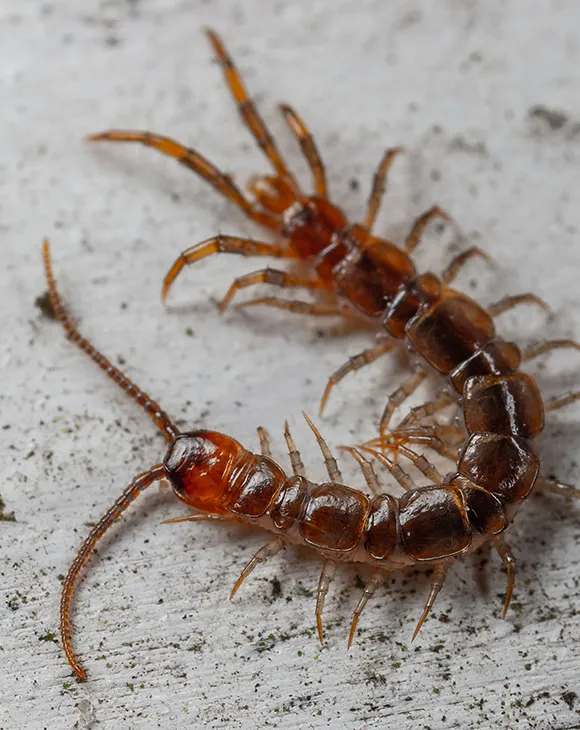
A centipede problem is rarely just about centipedes, and that is precisely why DIY rarely fixes it. The infestation is usually tied to a hidden moisture problem and an underlying population of other insects, and unless both of those are dealt with, the centipedes keep coming back. These are the reasons it is worth handling properly.
Centipedes cannot survive without high humidity, which makes moisture the root of nearly every case. Leaks, poor ventilation, and faulty seals around showers and baths create exactly the conditions they need to live and breed, so a treatment that ignores the damp is treating the symptom and leaving the cause.
This is where shop-bought sprays fall down. They kill the centipedes indoors but do nothing about the outdoor harbourage sites feeding the problem or the entry points letting them through, so the relief is temporary and the population simply re-enters. Lasting control means treating the perimeter and sealing the routes, not just the animals inside.
Because centipedes feed on other pests, their presence is often a clue rather than the whole story. A centipede population usually signals an existing cockroach, silverfish, ant, or spider infestation supplying the food, and that means resolving the centipedes properly sometimes uncovers a second problem that needs treating alongside it.
Centipedes are not generally aggressive, and the risk they pose is more nuisance than danger. But that undersells the effect of repeatedly finding them in the bathroom, bedroom, or kitchen, especially at night, which most people find genuinely distressing. For a comfortable home, that alone is reason enough to deal with the underlying cause.
Debug selects the treatment approach based on centipede species, population level, moisture conditions, and property type. Our technicians in Dubai, Abu Dhabi, Sharjah, and Fujairah assess every property before recommending the most effective treatment combination.
Active centipede populations in bathrooms, kitchens, storerooms, and utility areas
Centipedes spend the daylight hours hidden, so the treatment goes to where they hide. We apply residual insecticide to the cracks, crevices, pipe gaps, drain surrounds, wall voids, and damp harbourage sites the inspection identifies, hitting the population where it shelters rather than waiting for it to appear in the open.
Properties with centipedes entering from outdoor landscaping and garden areas
Since so many centipedes come from the outdoor population, a perimeter barrier treatment around the building foundations, door thresholds, and ground-level entry points is what stops them migrating in. This is the part DIY almost always misses, and it is the difference between clearing the centipedes inside and keeping the next wave from following.
Properties with persistent centipede problems linked to dampness
This is the step that makes the result last. We provide recommendations for reducing moisture, fixing leaks, improving ventilation, sealing pipe penetrations, and sorting drainage issues, and apply physical exclusion to the drain openings, door gaps, and cable entry points centipedes use as access routes. Remove the damp and block the doors, and the property stops being habitable for them.
Properties with centipedes sustained by underlying prey insect populations
Where the centipede activity is being sustained by an underlying cockroach, silverfish, or ant problem, we recommend treating both together. Targeting the prey insects alongside the centipedes is more effective than dealing with either alone, because it removes the food source that would otherwise pull a new centipede population straight back in.
Debug frequently combines harbourage treatment with perimeter barriers and moisture recommendations for comprehensive centipede control. For residential properties with children or pets, we use low-toxicity formulations applied to concealed harbourage sites. Commercial properties including hotels, restaurants, and warehouses receive integrated treatment plans targeting centipedes and prey insects simultaneously.
Not sure which centipede treatment your property needs?
Request a Free QuoteA thorough inspection of every room, the bathrooms, kitchens, storerooms, and utility areas, plus the building perimeter, to identify the harbourage sites, the entry points, the moisture sources, and any prey insect activity. This is what determines the treatment plan and flags any structural corrections needed, and it typically takes around 45 minutes.
Thorough inspection of all rooms, bathrooms, kitchens, storerooms, utility areas, and the building perimeter. Identification of centipede harbourage sites, entry points, moisture sources, and prey insect activity. The assessment determines the treatment plan and any structural corrections needed.
Residual insecticide is applied to the cracks, crevices, pipe gaps, drain surrounds, wall voids, and harbourage sites identified, and a perimeter barrier is established around the foundations, door thresholds, and ground-level entry points to block re-entry from the outdoor population. This is usually completed the same day.
Alongside the chemical treatment, we provide the structural recommendations that remove the conditions drawing centipedes in, dealing with leaks, humidity, drainage, and the access gaps around drains, doors, and cable entries. This is the part that turns a one-off treatment into a lasting fix.
A follow-up visit is scheduled to check how well the treatment has worked, look for any recurring activity, and reapply residual treatment if needed. If centipedes return within the guarantee period, the re-treatment is provided at no extra cost, and for properties with persistent moisture conditions we recommend ongoing monitoring to keep them from re-establishing.
Centipedes are drawn to moisture, darkness, and prey insects, so almost every problem we treat traces back to one of those conditions. These six measures cut the chance of a population establishing inside your property in the first place.
Centipedes cannot survive without high humidity, so fix dripping taps, leaking pipes, and faulty seals around showers and baths, and use extractor fans and proper ventilation in bathrooms, laundry rooms, and storerooms.
They enter through the gaps around water pipes, waste pipes, and cable conduits, and through floor drains, so seal the penetrations with silicone or expanding foam and fit fine-mesh drain covers.
The gaps beneath exterior doors and around window frames are common entry routes, so fit brush-strip door sweeps and weather stripping, paying particular attention to ground-floor entrances and garage doors.
Centipedes shelter under stones, mulch, plant pots, timber stacks, and leaf litter during the day, so clear debris from the perimeter and keep a dry, clear zone of at least 30 centimetres around the foundations.
Centipedes feed on cockroaches, silverfish, ants, and spiders. Reducing prey insect populations removes the food source that sustains centipedes. Regular pest control treatments targeting crawling insects significantly reduce centipede appeal.
A quarterly perimeter barrier spray around building foundations, door thresholds, and ground-level entry points provides continuous protection against centipede entry. Included with Debug Annual Maintenance Contracts.
Centipede control cost depends on property size, the extent of harbourage treatment required, moisture conditions, and whether integrated prey insect control is needed. Debug provides transparent quotes after a free on-site assessment — no hidden fees, no obligation. Below are the factors that determine pricing in Abu Dhabi, Dubai, Sharjah, and Fujairah.
Larger properties with more bathrooms, storerooms, and potential harbourage sites need more extensive treatment. Villas with gardens and ground-floor access points also need perimeter barrier treatment on top of the interior harbourage work, since the outdoor population is part of the problem.
Properties with significant moisture problems, leaking pipes, poor ventilation, or faulty waterproofing, need a more comprehensive assessment and may require structural corrections alongside the chemical treatment. This matters because, with centipedes, the damp is the real cause, so leaving it unaddressed means the treatment will not hold.
Where the centipede activity is being fed by an underlying cockroach, silverfish, or ant infestation, integrated treatment targeting both is recommended. Combined treatments cost a little more but work far better, because they remove the food source and prevent the centipedes re-establishing once cleared.
Properties with persistent moisture conditions or heavy centipede populations may benefit from a scheduled follow-up visit to reassess and reapply treatment. These follow-up visits are included within the initial treatment guarantee, so they are not an added cost.
Debug does not charge for centipede assessments, site visits, or detailed quotes anywhere across Abu Dhabi, Dubai, Sharjah, and the Northern Emirates. Every assessment covers site identification, moisture evaluation, entry point mapping, and transparent pricing, all provided on the same visit rather than weeks later. And every treatment uses municipality-approved products and is backed by a follow-up guarantee at no extra cost.






Verified Google reviews from homeowners, property managers, and business operators who used Debug centipede control services in Abu Dhabi, Dubai, Sharjah, and Fujairah.
Debug provides centipede control and prevention services across Abu Dhabi, Dubai, Sharjah, and Fujairah — same treatment protocol, same municipality-approved products, same follow-up guarantee in every location.
Common questions about centipede control, removal, and prevention in UAE properties.
Yes. Centipedes are predators that feed on cockroaches, silverfish, ants, and spiders. A persistent centipede population indoors strongly indicates an underlying prey insect infestation. Debug recommends integrated treatment that targets both centipedes and their prey for lasting results. See our crawling insect control service.
Yes. Debug offers quarterly perimeter barrier treatments and scheduled inspections to maintain centipede-free conditions. These preventive treatments are ideal for ground-floor properties, villas with gardens, and buildings near landscaped areas. Prevention is included in Debug Annual Maintenance Contracts.
Professional beehive and swarm removal across the UAE. Certified handlers safely relocate bee colonies using humane capture methods, with hive sealing and exclusion work to prevent re-colonisation.
Read More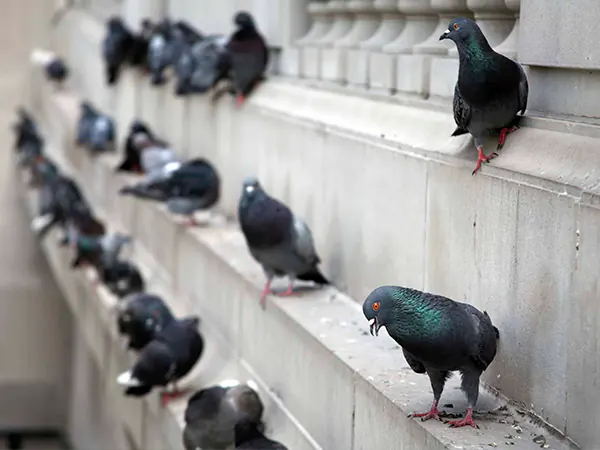
Bird control and deterrent installation for pigeons, mynahs, and seagulls. Netting, spike systems, optical gel, and exclusion solutions for commercial rooftops, warehouses, and residential balconies.
Read More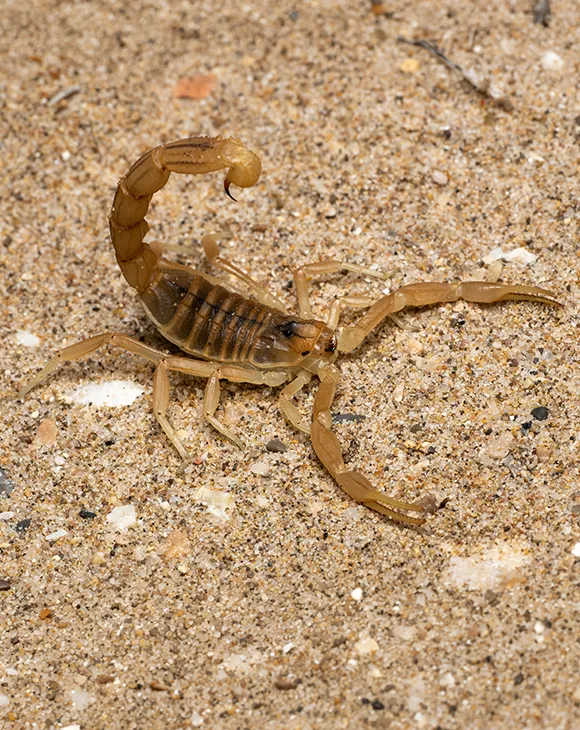
Scorpion control for residential and commercial properties using UV detection, perimeter dusting, harbourage elimination, and entry-point sealing. Species-specific protocols for the UAE's desert scorpion species.
Read More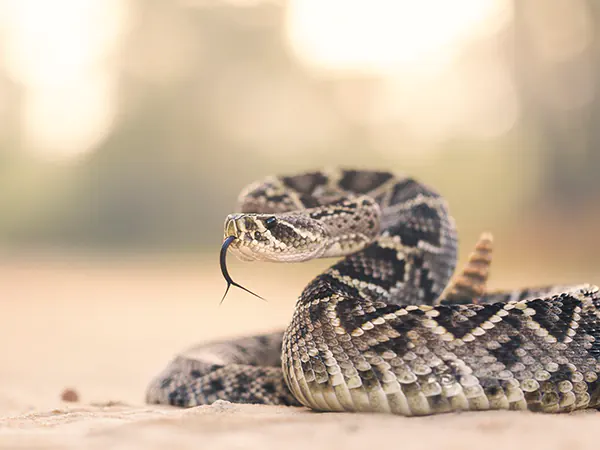
Emergency snake removal by certified wildlife handlers. Safe capture, species identification, and relocation of venomous and non-venomous snakes, with property exclusion to prevent re-entry.
Read More
Humane stray animal management for cats, dogs, and foxes. Live-trap capture, municipality coordination for relocation, deterrent installation, and property exclusion for residential compounds and commercial sites.
Read More