

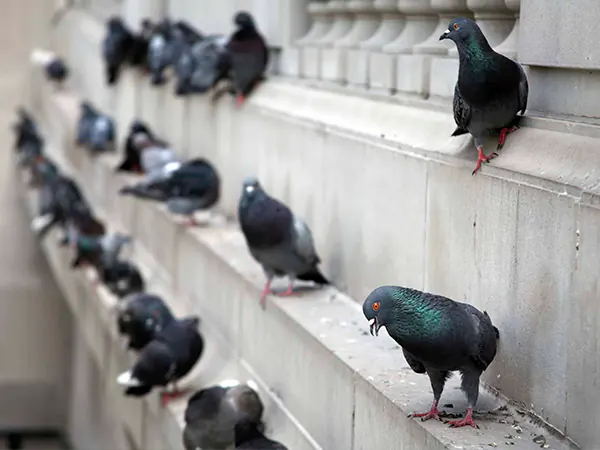
Bird Control
Bird control and deterrent installation for pigeons, mynahs, and seagulls. Netting, spike systems, optical gel, and exclusion solutions for commercial rooftops, warehouses, and residential balconies.
Read MoreDebug provides professional beehive removal and live bee relocation across Abu Dhabi, Dubai, and the Northern Emirates (Sharjah, Ajman, Umm Al Quwain, Ras Al Khaimah, and Fujairah). We extract colonies from walls, roofs, garden structures, and commercial properties, and wherever it can be done, we move them alive to registered apiaries rather than destroying them. Every job is municipality-approved and includes the full hive extraction, the honey and wax cleanup, and the exclusion sealing that stops a new colony moving into the same spot, all backed by a 100% safe removal guarantee.
Six Signs of Bee Activity Around Your Property
A colony caught early can usually be relocated alive in a single visit. Left to grow, it becomes harder to move, heavier with honey inside the wall, and more expensive to clean up after. These are the signs our technicians see most often on UAE properties, and spotting them early is what keeps the job simple.
A dense ball of bees hanging from a tree branch, wall, fence, or outdoor fixture is a swarm, a colony in transit looking for somewhere permanent to nest. Swarms are usually docile, but the window matters: collect them while they are clustered in the open and the job is easy, leave them and they move into a wall cavity or roof void where it becomes far harder.
Most common signA steady stream of bees flying to and from a crack in the wall, a gap behind the fascia, or a hole around pipework means a colony has already been established inside the structure. This is the point where it stops being a swarm you can lift off a branch, because an internal colony grows quickly and starts producing real quantities of honey and wax inside the cavity.
A persistent low humming or vibration from inside a wall, ceiling, or roof space is the sound of a mature colony, thousands of workers fanning their wings to regulate the hive temperature. It is most noticeable on warm afternoons, when the colony is working hardest to keep cool, and it tells you the hive is well established rather than newly arrived.
Dark, sticky patches appearing on interior walls or ceilings are honey seeping from a concealed hive, and they signal a colony large enough to be a structural concern. The leakage damages plasterboard, paint, and insulation, and it draws in ants, cockroaches, and other pests, so a honey stain is usually the moment a hidden bee problem becomes several problems at once.
Structural riskBees need water to cool the hive and dilute honey, so a sudden rise in numbers around swimming pools, irrigation, garden taps, and AC condensate drains points to a colony within about 200 metres of that water. In the UAE's heat the water demand is high, which makes this one of the more reliable early signs that a hive has set up somewhere close, even if you have not yet found it.
Finding dead bees on windowsills, balconies, or at the base of exterior walls usually means a colony inside the building rather than outside it. A worker bee lives only about six weeks, so a healthy hive produces a continuous turnover of dead workers near its entrance, and that steady accumulation is often what gives away a hive you cannot otherwise see.
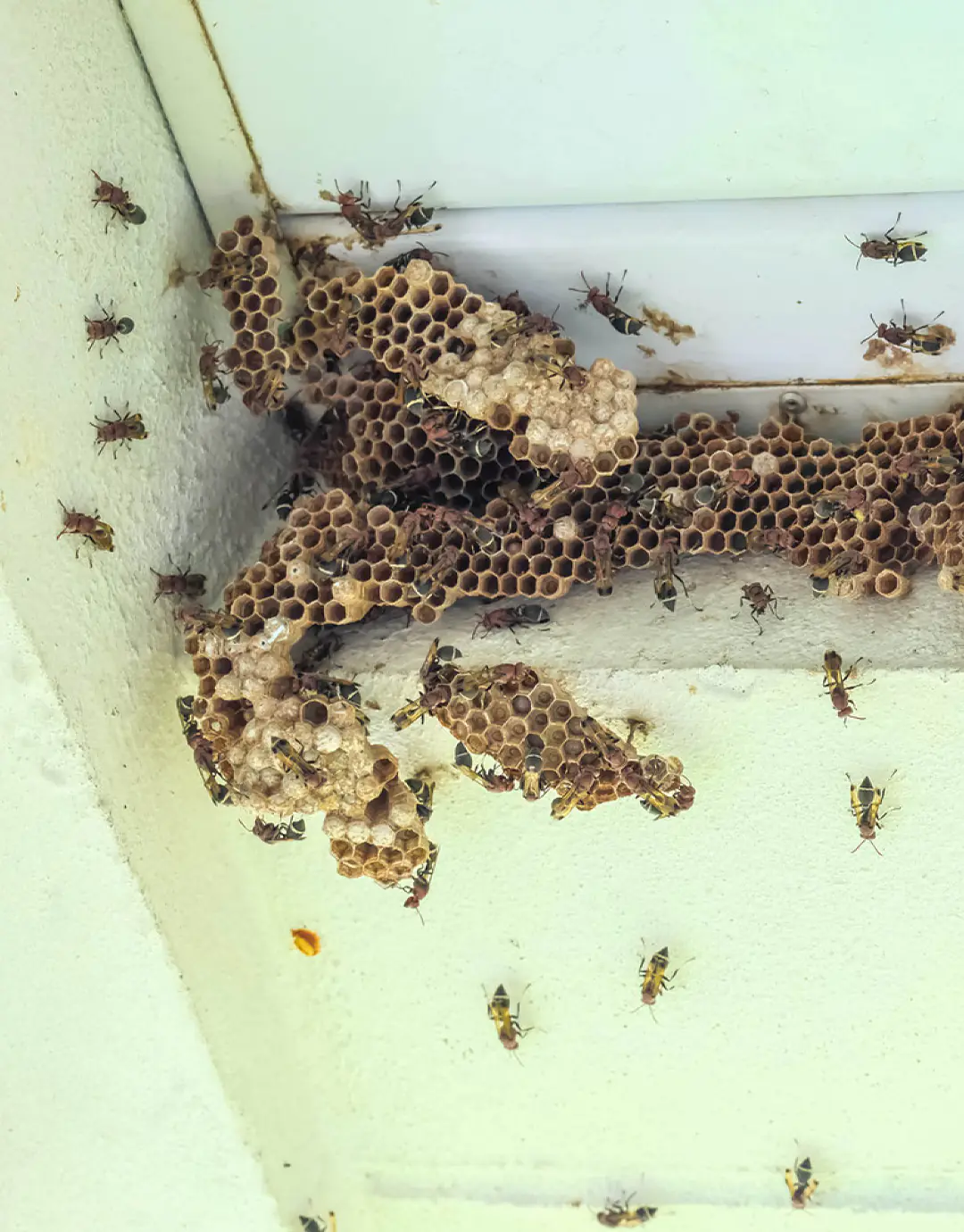
Why Beehives Require Professional Removal
A bee colony inside your property is not just an inconvenience, and it is not a DIY job. Bees defend their hive aggressively when disturbed, the honey deposits cause genuine structural damage, and UAE regulations actively protect bee populations. Those three things together are why professional removal is the right call rather than a can of spray and a sealed-up hole.
A bee sting can trigger anaphylaxis, a life-threatening allergic reaction that needs immediate medical attention, and a disturbed colony does not sting once, it stings an masse. That puts children, elderly residents, outdoor workers, and even people with no history of allergy at serious risk, sometimes finding out the hard way. Professional removal takes the contact risk off the table entirely.
A mature colony can pack more than 40 kilograms of honey into a wall cavity or roof void, and that weight of honey and wax does not stay put. As it melts and leaks it stains walls, ruins plasterboard and insulation, corrodes wiring, and draws in secondary pests, ants, cockroaches, and rodents among them. The cleanup cost climbs the longer the colony is left, which is the practical argument for dealing with it sooner rather than later.
An established colony defends its hive vigorously the moment it is disturbed, and that is exactly what a DIY attempt does. Trying to seal the entry, spray insecticide, or pull a hive out without the right equipment tends to provoke a mass stinging response that reaches residents, neighbours, and passers-by, not just the person doing it. Professional technicians use smoke, protective gear, and correct handling to keep the colony calm rather than enraged.
Bees are protected pollinators in the UAE, and killing a colony unnecessarily can put you on the wrong side of municipality regulations and environmental guidelines. Debug follows municipality-approved protocols that prioritize live relocation, keeping the work compliant with ADAFSA, Dubai Municipality, and Sharjah Municipality requirements, so the colony is moved rather than destroyed wherever it is possible to do so.
Professional Beehive Removal Methods
There is no single removal method, only the right one for the colony's size, its location, and how it can be accessed. A wall-cavity hive is a completely different job from an exposed garden swarm. So our technicians in Dubai, Abu Dhabi, Sharjah, and Fujairah assess every situation first and then choose the safest and most humane approach, often a combination.
Accessible swarms on trees, fences, pergolas, and outdoor structures
When a swarm is still clustered in the open, on a tree, fence, or outdoor structure, it can be captured whole and relocated alive to a registered apiary. This is the simplest and most rewarding outcome, since the colony is saved rather than destroyed, which is why catching a swarm before it moves indoors matters so much.
Established colonies inside wall cavities, roof voids, and enclosed spaces
Once a colony is inside a wall, ceiling, or roof void, reaching it means making a controlled opening into the cavity to access the comb. Done properly, this lets us remove the bees and all the honeycomb together rather than leaving material behind to rot, leak, and attract the next colony, which is the usual result when a hive is simply sprayed and sealed over.
Active swarms near entrances, playgrounds, pools, and public areas
For cavity colonies, a specialised low-pressure bee vacuum lets the technician collect the bees gently, gathering them up without crushing them so the colony survives the move. It is the tool that makes live relocation possible from inside a structure, where simply scooping the bees out would not be.
Properties with recurring bee colonisation or multiple entry points
Removal without sealing is only half the job, because the scent of a former hive draws scout bees straight back. So after the colony is out, the entry points are sealed with stainless-steel mesh and sealant, and the former hive site is treated to neutralize the pheromone trace that would otherwise advertise the spot to the next swarm.
Debug always prioritises live bee relocation over extermination. For residential properties with children or pets, we schedule hive extractions when the area can be safely vacated. Commercial properties including hotels, schools, and shopping centres receive same-day priority response for swarms in public areas.
Not sure which bee removal method your property needs?
Request a Free QuoteEvery beehive removal follows Debug's four-stage protocol — designed to relocate the colony safely, extract all hive material, clean the affected area, and prevent future colonisation. All technicians wear full protective equipment and follow humane handling procedures.
An on-site evaluation of the colony's location and size, the species, honeybee or Africanized, the structural access, and how close it sits to people. This is what decides whether the colony can be relocated alive or needs specialist extraction from a concealed cavity, and it usually takes around 30 minutes.
In full protective equipment, the technician uses smoke to calm the colony, locates the queen, since the colony goes where she goes, and transfers the bees into a ventilated transport box. For a wall-cavity hive, a controlled opening is made to reach the comb and the bees are gathered with the bee vacuum, all using humane methods throughout.
All the honeycomb, wax, propolis, and honey residue is physically removed from the cavity, not partly cleared and left. The area is then cleaned and sanitized to wipe out the pheromone traces that draw scout bees from future swarms, and any structural opening is repaired and sealed. This stage is usually completed the same day.
Every entry point is sealed with stainless-steel mesh and sealant, and a pheromone-neutralizing treatment is applied to the old hive location. If bees do return to the sealed area within the guarantee period, Debug provides a follow-up visit at no extra cost, which is the part that turns a removal into a lasting fix.
Bees settle in sheltered cavities, near water, and in warm, protected structures, so most of the beehive problems we treat trace back to one of those conditions. These six measures cut the chance of a colony establishing in the first place.
Bees colonize wall cavities, roof spaces, and the gaps behind fascia boards, so inspect annually and seal anything larger than 6 mm with stainless-steel mesh or expanding foam before swarm season arrives in spring.
Fit fine stainless-steel mesh over weep holes, air bricks, and ventilation grilles, which keeps airflow while stopping scout bees from getting into the cavity.
Bees need water to cool the hive and dilute honey, so fix dripping taps, cover pools when not in use, and make sure AC condensate drains away from the building rather than pooling against the walls.
The pheromone trace a previous colony leaves is a powerful lure for scout bees, so after any removal the wax, propolis, and honey residue must be cleaned out and the site treated with a pheromone-neutralising solution.
Dense hedges, overgrown creepers, and untrimmed trees pressed against walls create the shaded, sheltered spots swarming bees look for, so keep a clear gap between vegetation and the exterior walls.
Swarm season in the UAE peaks from March to May, so a pre-season inspection finds the vulnerable entry points and lets them be sealed before scout bees arrive. Included with Debug Annual Maintenance Contracts.
What a beehive removal costs comes down to the colony's location, its size, how accessible it is, and how much hive material has built up inside the structure. Debug provides a transparent quote after a free on-site assessment, with no hidden fees and no obligation. These are the factors that move the price for beehive removal in Abu Dhabi, Dubai, Sharjah, and Fujairah.
An exposed swarm on a tree or fence is straightforward to collect. A colony established deep inside a wall cavity, a roof void, or at height is not, and reaching it may need a controlled wall or ceiling opening, which adds labour and restoration to the cost. Location is usually the single biggest factor.
A newly arrived colony of a few hundred bees costs far less to remove than a mature hive holding tens of thousands of workers, brood comb, and accumulated honey and wax. The larger the colony, the longer the extraction and the more thorough the cleanup has to be.
A hive that has been inside a structure for months produces serious quantities of honey, wax, and propolis. Full extraction, sanitization, pheromone neutralization, and the structural repair afterwards all add to the cost, but they are not optional, because skipping them invites re-colonization and secondary pests straight back in.
Properties that keep getting colonized benefit from comprehensive exclusion sealing of every potential entry point. It adds to the initial cost, but it removes the need for repeated callouts and protects the structure long term, so it usually pays for itself.
Debug does not charge for beehive assessments, site visits, or detailed quotes, anywhere across Abu Dhabi, Dubai, Sharjah, and the Northern Emirates. Every assessment covers the colony evaluation, hive location mapping, the recommended removal method, and transparent pricing, all provided on the same visit rather than weeks later. And every removal includes the professional cleanup, the preventive sealing, and a follow-up guarantee at no extra cost.





Verified Google reviews from homeowners, property managers, and business operators who used Debug beehive removal and live bee relocation services in Abu Dhabi, Dubai, Sharjah, and Fujairah.
Debug provides beehive removal and live bee relocation services across Abu Dhabi, Dubai, Sharjah, and Fujairah — same humane protocol, same municipality-approved methods, same follow-up guarantee in every location.
Common questions about beehive removal, live bee relocation, and bee prevention in UAE properties.
Yes. All beehive removal services include a follow-up guarantee. If bees return to the sealed location within the guarantee period, Debug provides a re-treatment visit at no additional cost. For properties requiring ongoing prevention, Debug Annual Maintenance Contracts include scheduled inspections and preventive sealing during swarm season.
Bird control and deterrent installation for pigeons, mynahs, and seagulls. Netting, spike systems, optical gel, and exclusion solutions for commercial rooftops, warehouses, and residential balconies.
Read More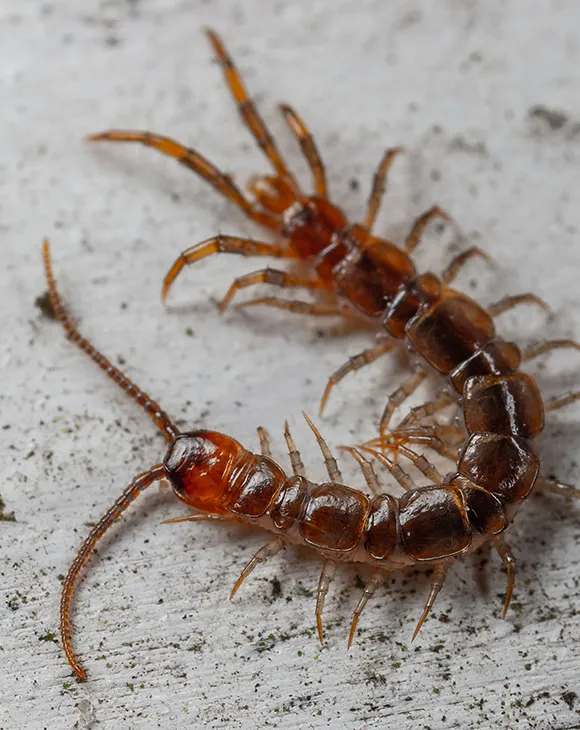
Centipede control through harbourage treatment, moisture reduction, perimeter barriers, and crack-and-crevice applications. Targeted solutions for UAE species found in villas, gardens, and basement areas.
Read More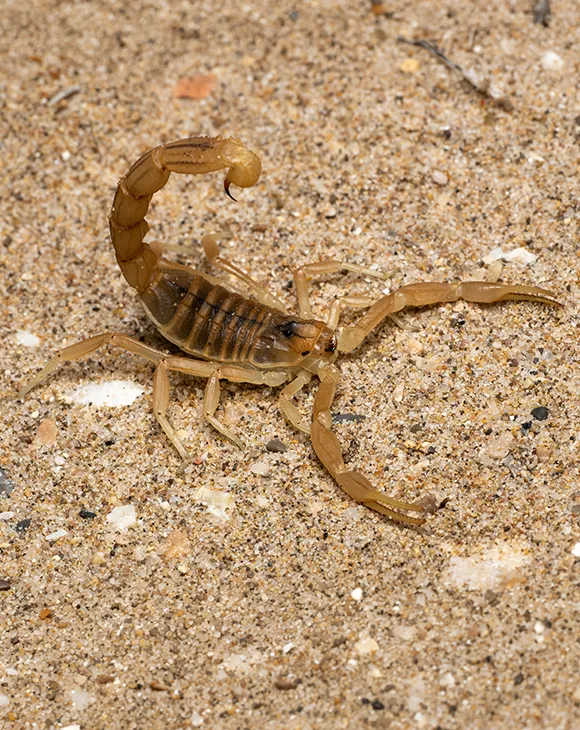
Scorpion control for residential and commercial properties using UV detection, perimeter dusting, harbourage elimination, and entry-point sealing. Species-specific protocols for the UAE's desert scorpion species.
Read More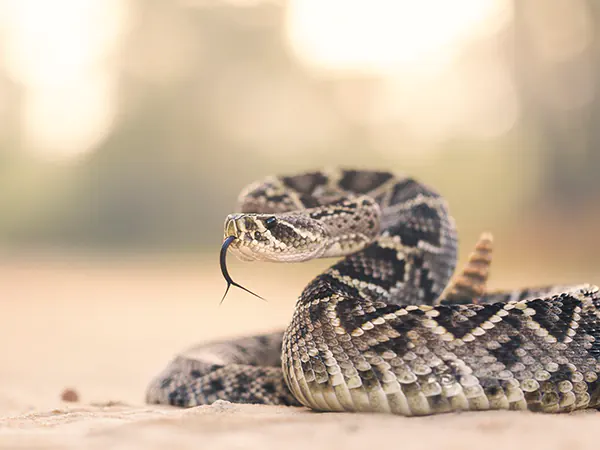
Emergency snake removal by certified wildlife handlers. Safe capture, species identification, and relocation of venomous and non-venomous snakes, with property exclusion to prevent re-entry.
Read More
Humane stray animal management for cats, dogs, and foxes. Live-trap capture, municipality coordination for relocation, deterrent installation, and property exclusion for residential compounds and commercial sites.
Read More